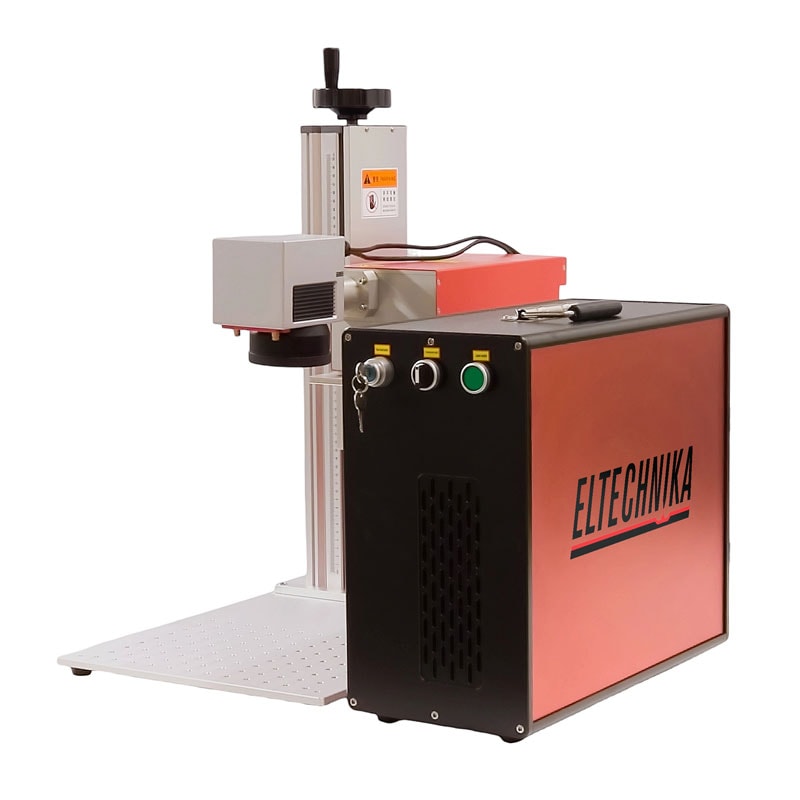
UV Laser Marking Machines
UV laser marking machines are specialized machines designed for extremely precise marking of sensitive materials. Using unique “cold marking” technology, the UV laser treats the surface without thermal effects, thus preventing any damage, scorching, or microcracks. It is an indispensable tool for working with plastics, glass, silicone, ceramics, and delicate electronics, where the highest quality…
| Weight | N/A |
|---|---|
| Use cases | marking |
Description
UV Laser: Cold Marking for the Most Delicate Materials
Where standard Fiber or CO2 lasers are too aggressive, UV laser technology comes to the rescue. Most lasers operate on a thermal principle—they heat and vaporize the material. In contrast, a UV laser uses a shorter 355 nm wavelength and operates on a photochemical principle. High-energy UV photons directly break the molecular bonds of the material without heating the surrounding area. This process, known as “cold marking,” allows for the creation of perfectly clear and high-contrast marks without causing any damage to the material itself.
Why Choose a UV Laser?
A UV laser opens the door to areas that were previously inaccessible to laser marking due to the heat sensitivity of the materials.
Unmatched Precision and Quality
Thanks to its extremely small laser spot size, a UV laser can produce incredibly fine and precise details. This enables micro-marking—engraving extremely small text, complex logos, or high-resolution QR codes that are easily scannable and perfectly clear.
Complete Protection Against Damage
The “cold marking” process ensures that your product will be free of any undesirable effects: no burning, melting, bubbling, or microcracks that often occur when surfaces are exposed to heat. The surface structure and integrity of the material remain unchanged, which is critically important in the manufacture of medical devices, electronics, or food packaging.
Wide Range of Applications
The UV laser is a versatile solution that bridges the gap between Fiber and CO₂ technologies. It is ideal for applications where other technologies fall short.
Range of Materials:
- All plastics: ABS, PVC, PLA, polycarbonate, polypropylene, and especially silicone.
- Glass and Crystal: Marking without the risk of microcracks.
- Ceramics: Precision engraving on various types of ceramics.
- Electronic Components: Microchip housings, printed circuit boards (PCBs), silicon wafers.
- Medical: Marking of plastic parts for surgical instruments, implants, and medical equipment.
- Solar energy: Marking of solar cell wafers.
- It can also mark wood, paper, leather, and even metals, providing a different level of contrast than a Fiber laser.
Application Examples:
- Marking logos and certification marks on phone chargers and USB flash drives.
- Engraving serial numbers and barcodes on glass containers or laboratoryware.
- Marking identification codes on medical silicone tubing or devices.
- Marking of fine patterns and numbers on electronic components.
SPECIFICATIONS | |
| Laser Source | JPT Seal – 355 – 3SE/3C/5C/10S |
Laser Power | 3W, 5W, 10W |
| Pulse range | 20–150 kHz |
Engraving speed | 0–8,000 mm/s |
| Minimum line width | <0.01 mm |
Laser wavelength | 355 nm |
| Working area | 70×70 mm, 110×110 mm, 150×150 mm, 175×175 mm, 200×200 mm, 300×300 mm |
Cooling | Air / Water |
| Laser source service life | Up to 20,000 hours |
Power Supply Voltage | 230 VAC, 50–60 Hz |
| Power consumption | ≤ 500 W |
Temperature / Humidity | 0–35°C / 10–95% |
| Machine Dimensions and Weight | 660x240x500mm, 35kg |
Software | EzCAD (LightBurn Pro recommended; separate paid license required) |
| Supported file formats | AI, PLT, DXF, BMP, DWG, DXP, PNG, JPG, etc. |
Suitable Materials | Almost all (organic materials, solid materials, glass, crystals, metals, plastics, silicon, etc.) |
| Rotary | Optional feature (for rings, bracelets, glasses, etc.) |
Documents
Delivery
Related Products
xTool M2
Aeon Elite Nova 10/14/16